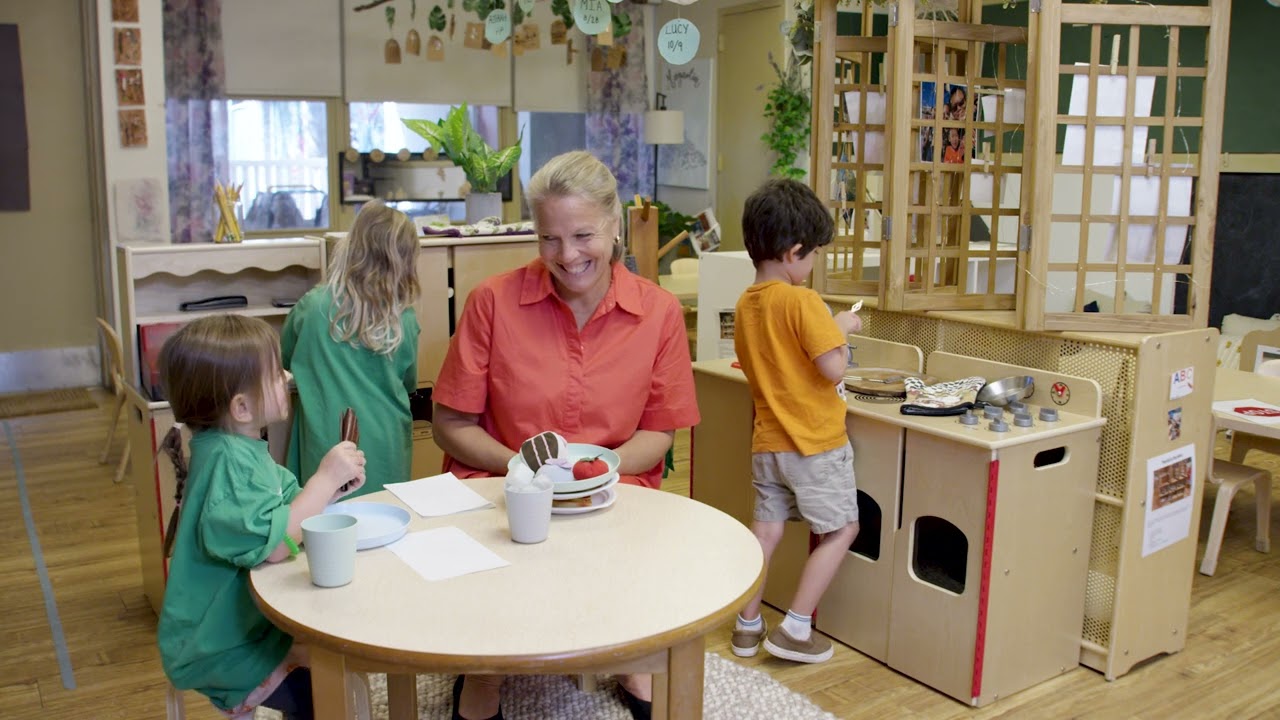
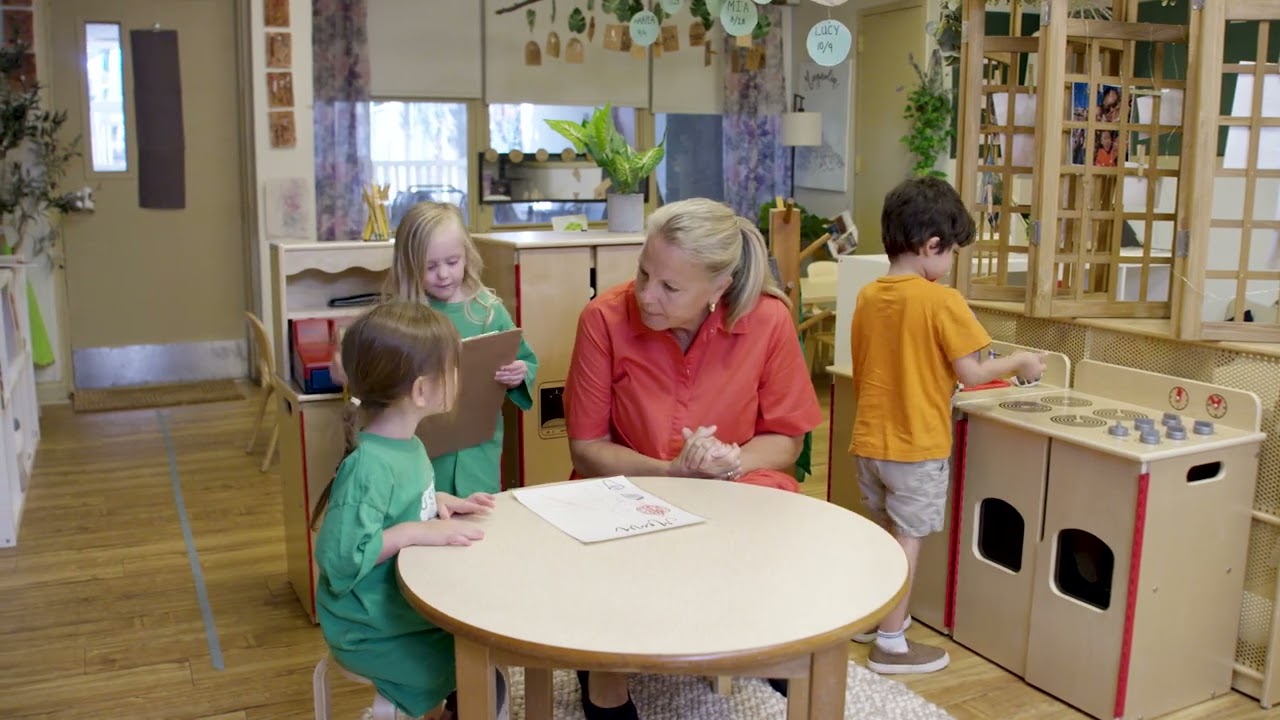
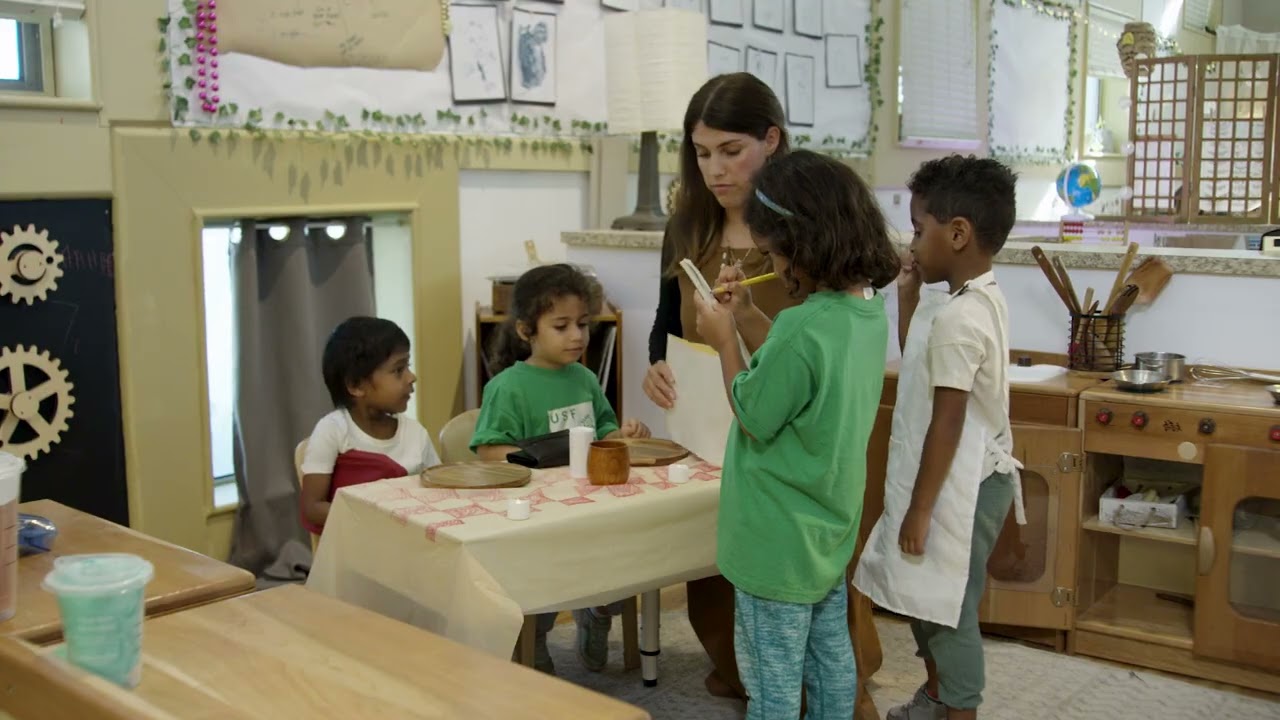
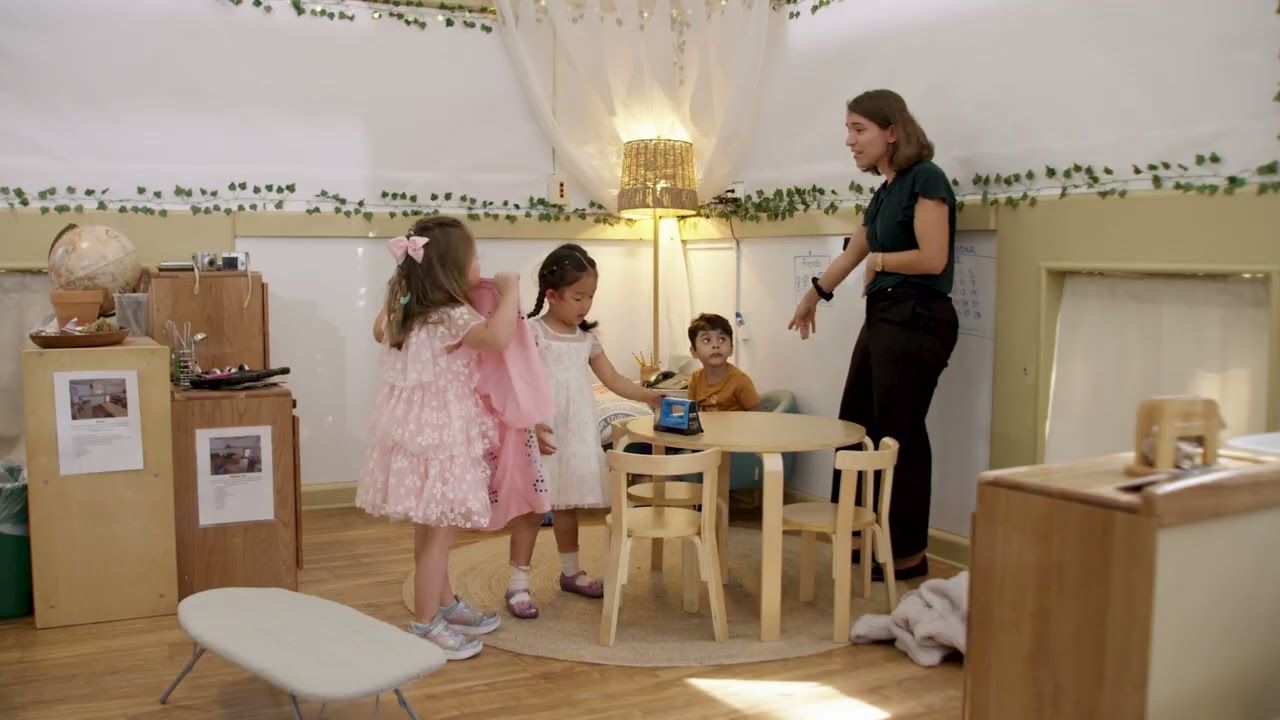
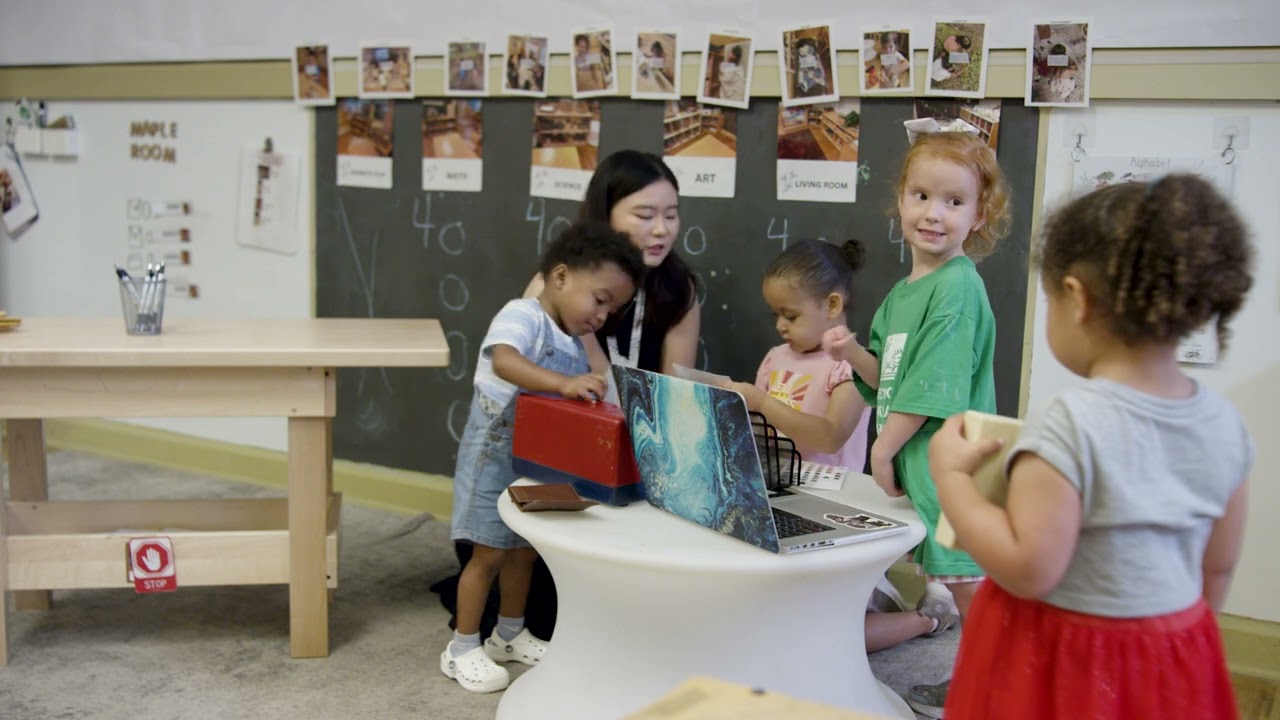
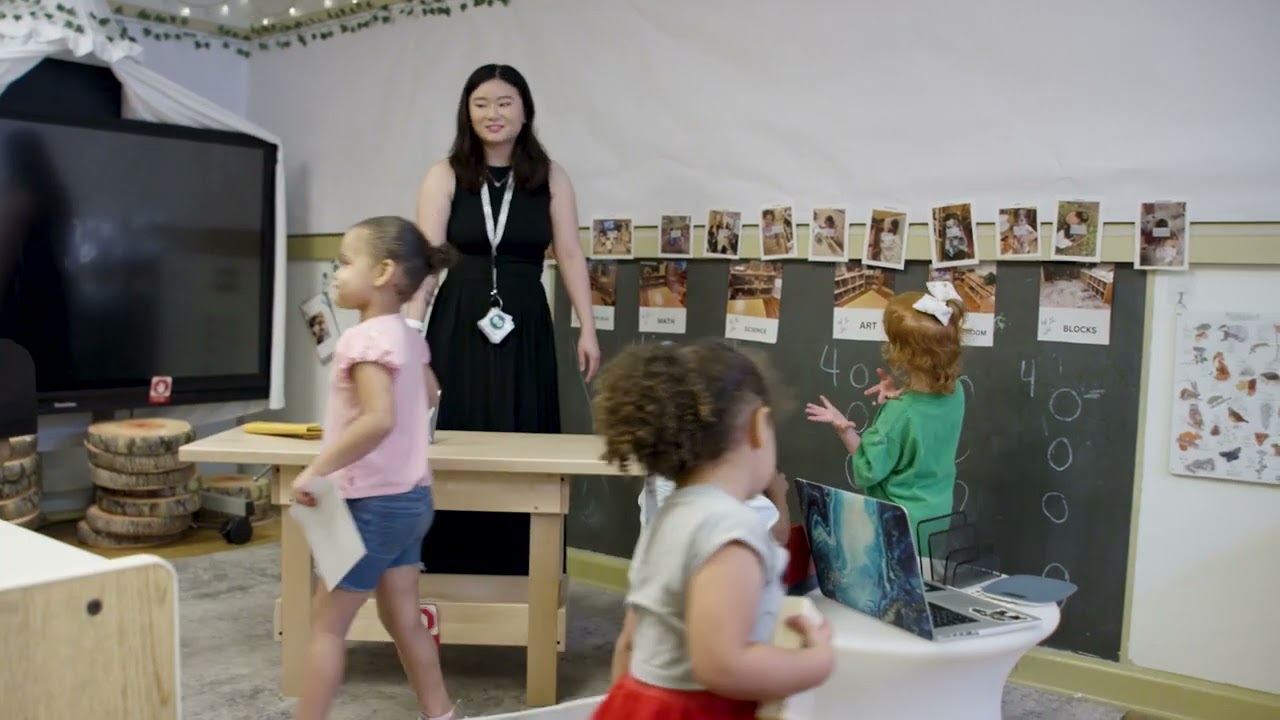
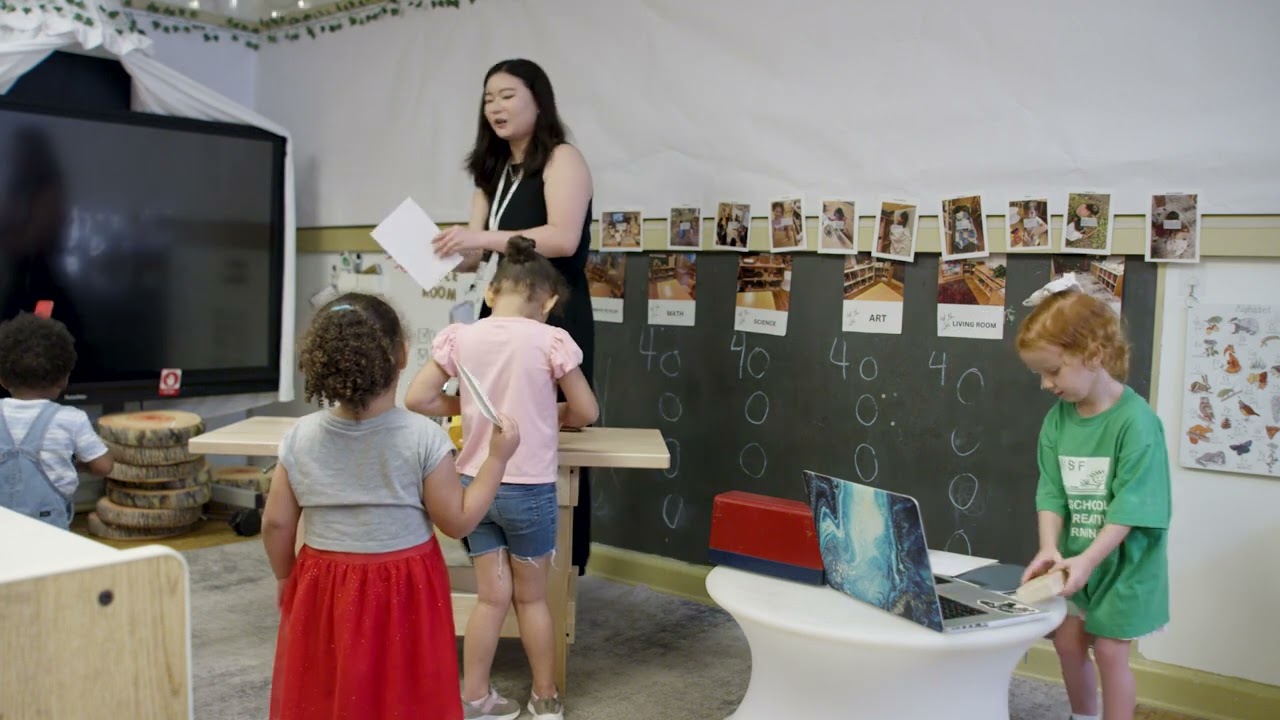
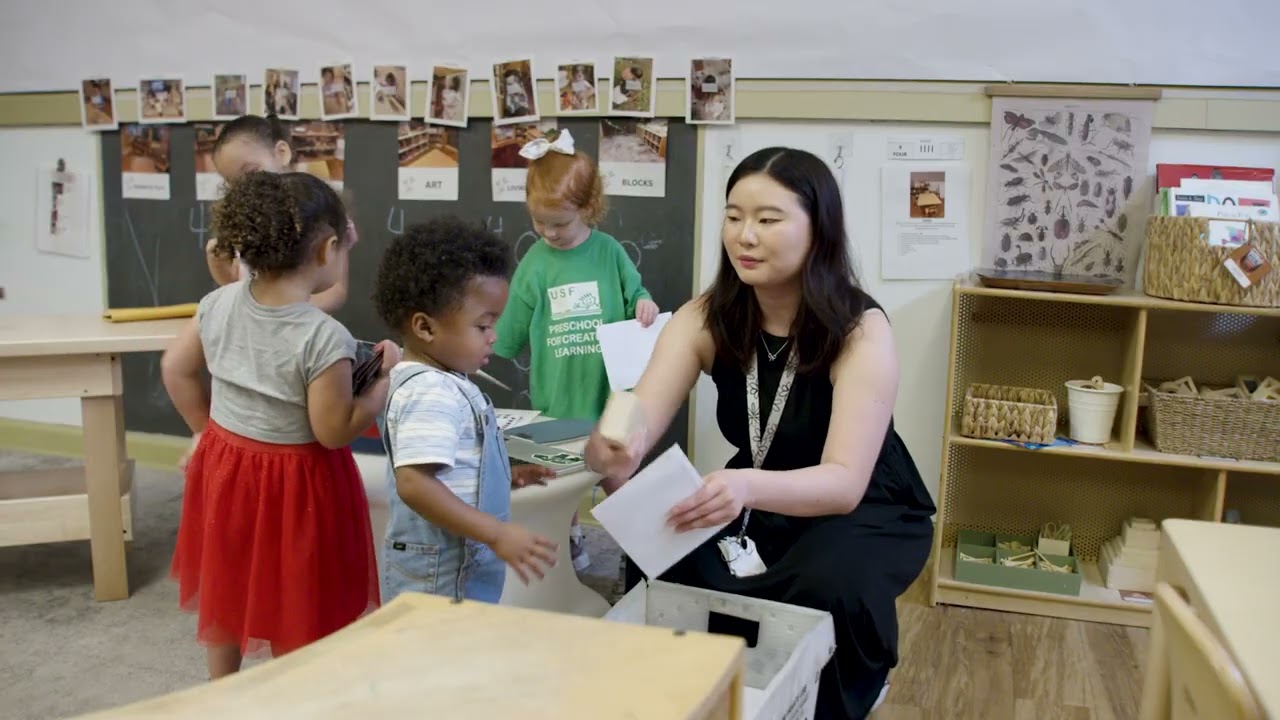
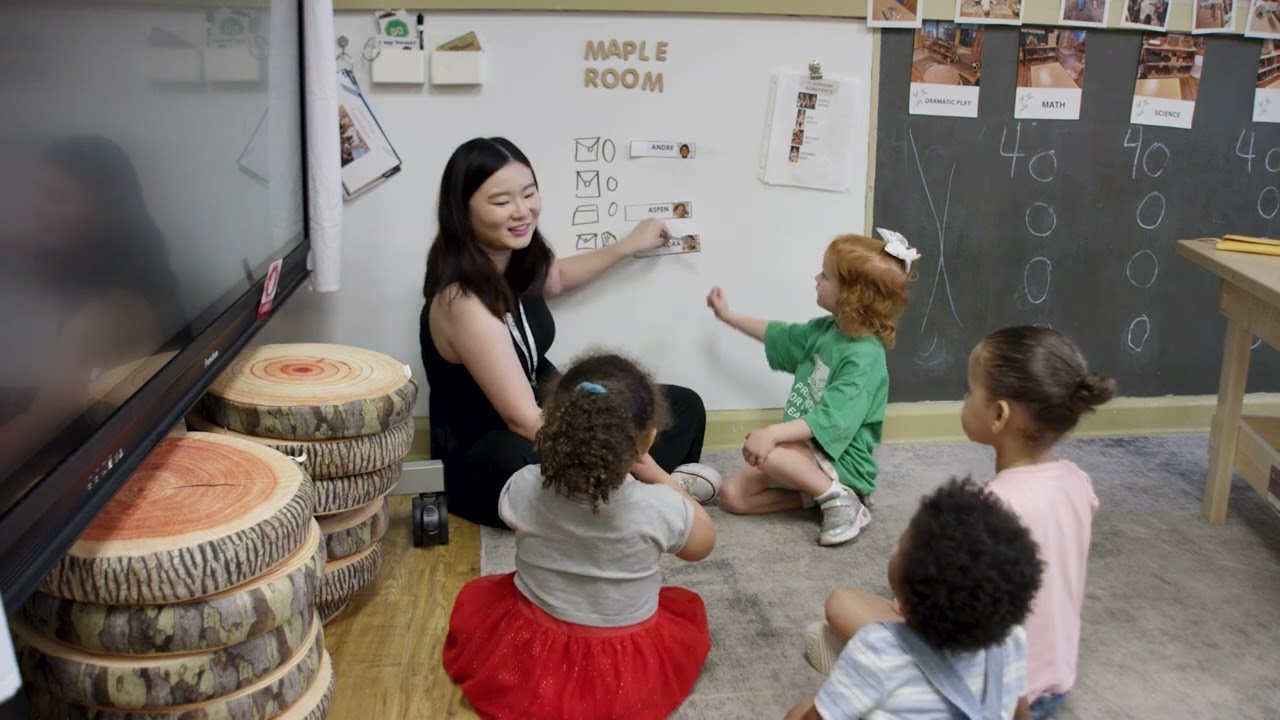
Explore the Play Studio for Teachers approach through teachers’ roles in guided dramatic play. Each role pairs an overview and research-based strategies with example clips drawn from real classroom scenarios.
Build common knowledge (novice players and/or new scenario) or deepen knowledge about the scenario (high-level players and/or familiar scenario).
Introduce props or provocations in the DP area and/or involve children in transforming the area.
Introduce roles, role sequences, and role speech (novice players, new scenario); extend role sequences (high-level players and/or familiar scenario).
Infuse language and literacy by incorporating writing/drawing into planning (e.g., invite children to represent their play plans).
Foster conflict resolution skills by anticipating potential problems and discussing solution strategies (e.g., what to do if two children want the same prop).
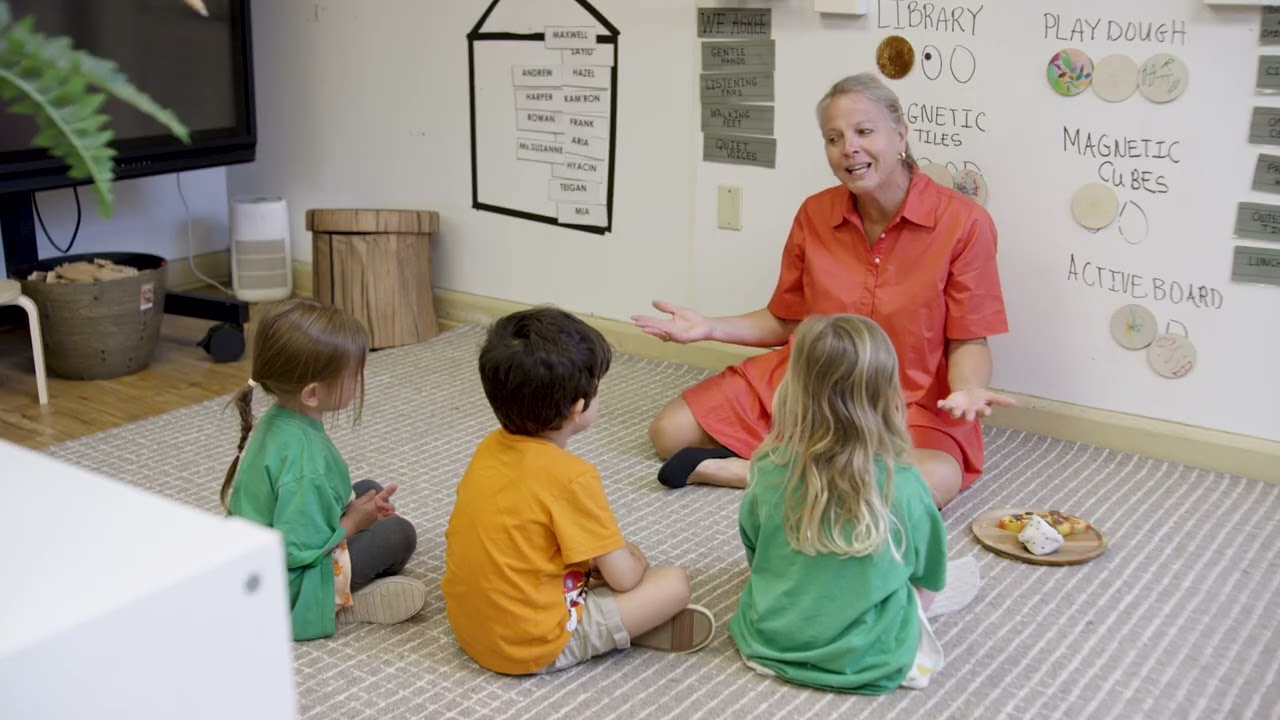
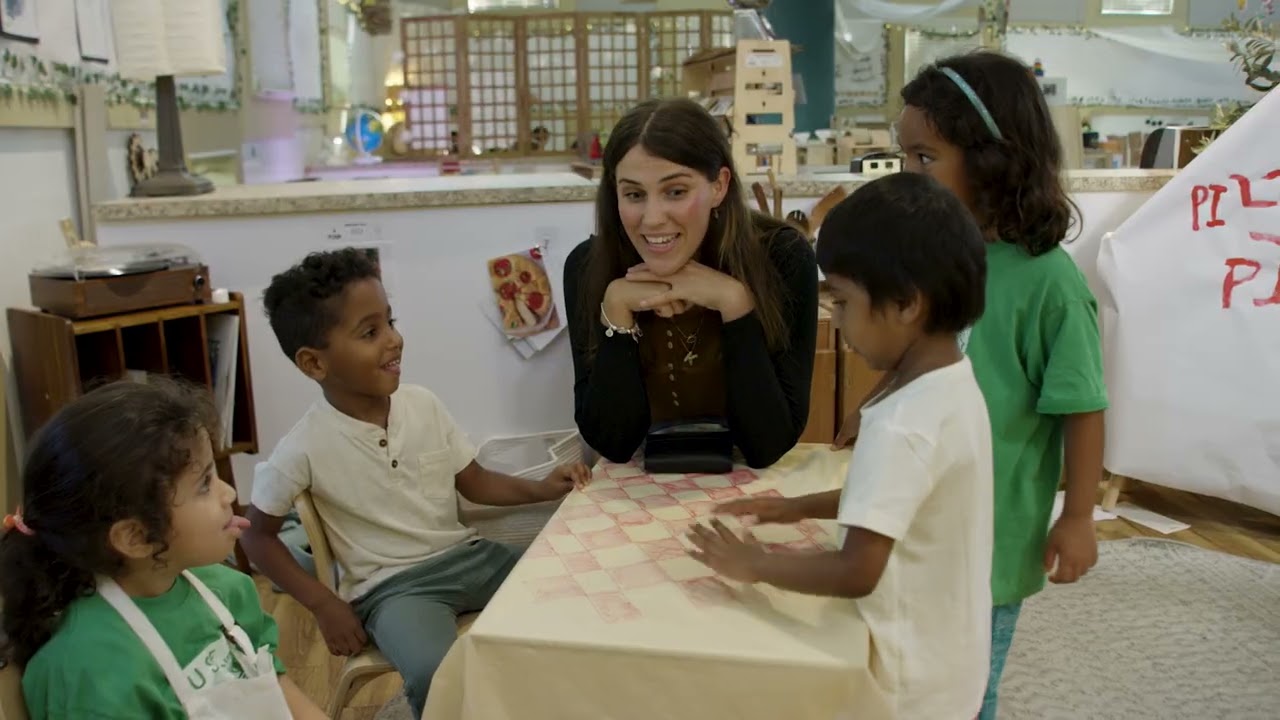
Co-Planner
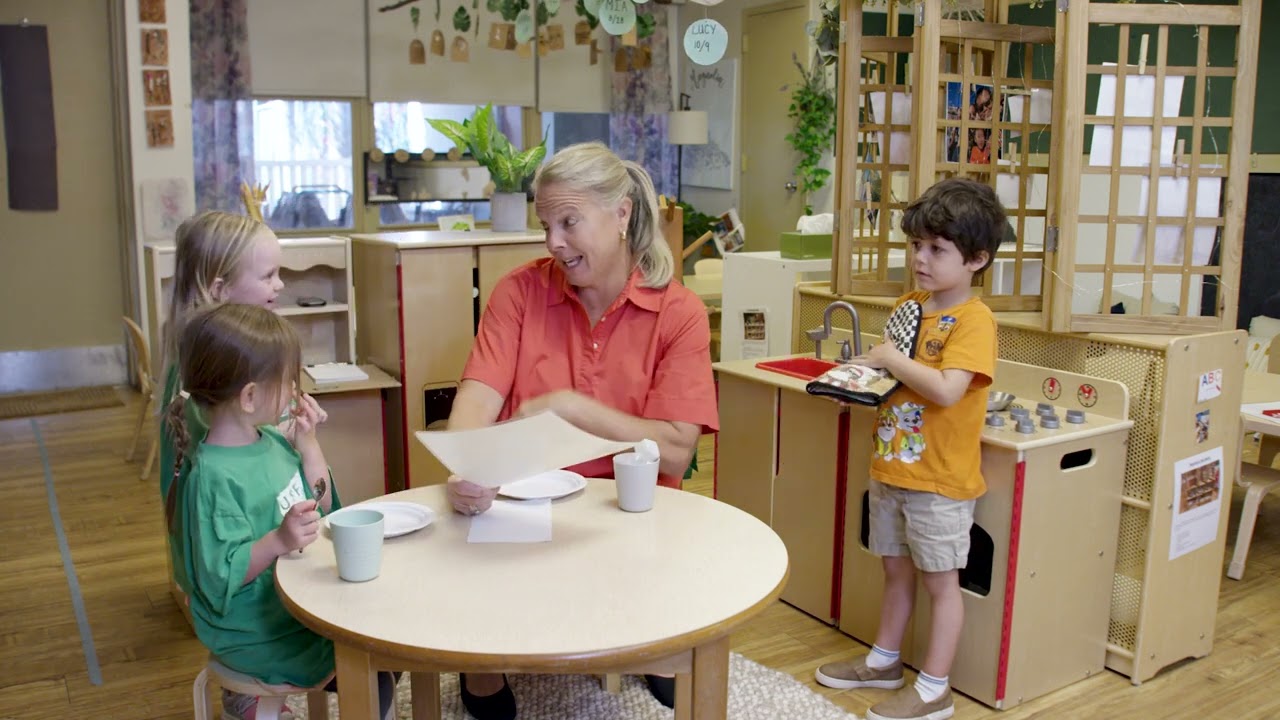
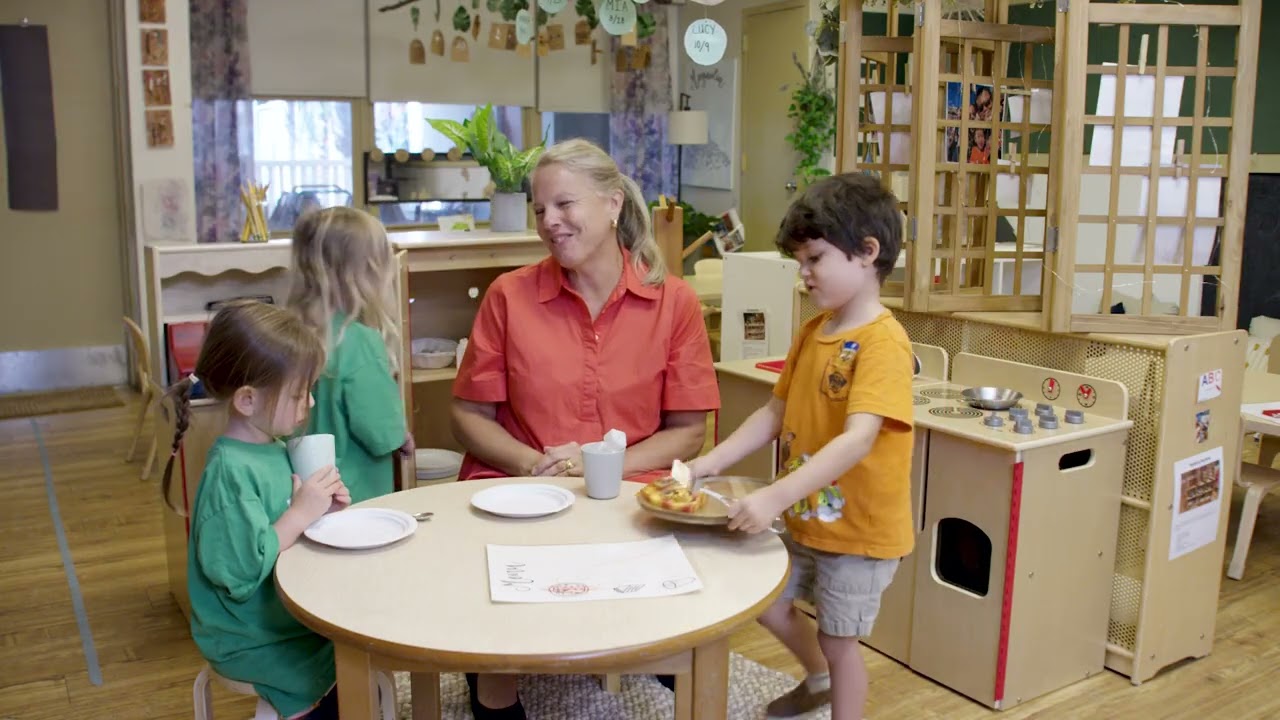
Planning a Pizzeria Scenario with Children Before Play
Co-Planner
Introducing Roles and Symbolic Props at the Post Office
During the Play
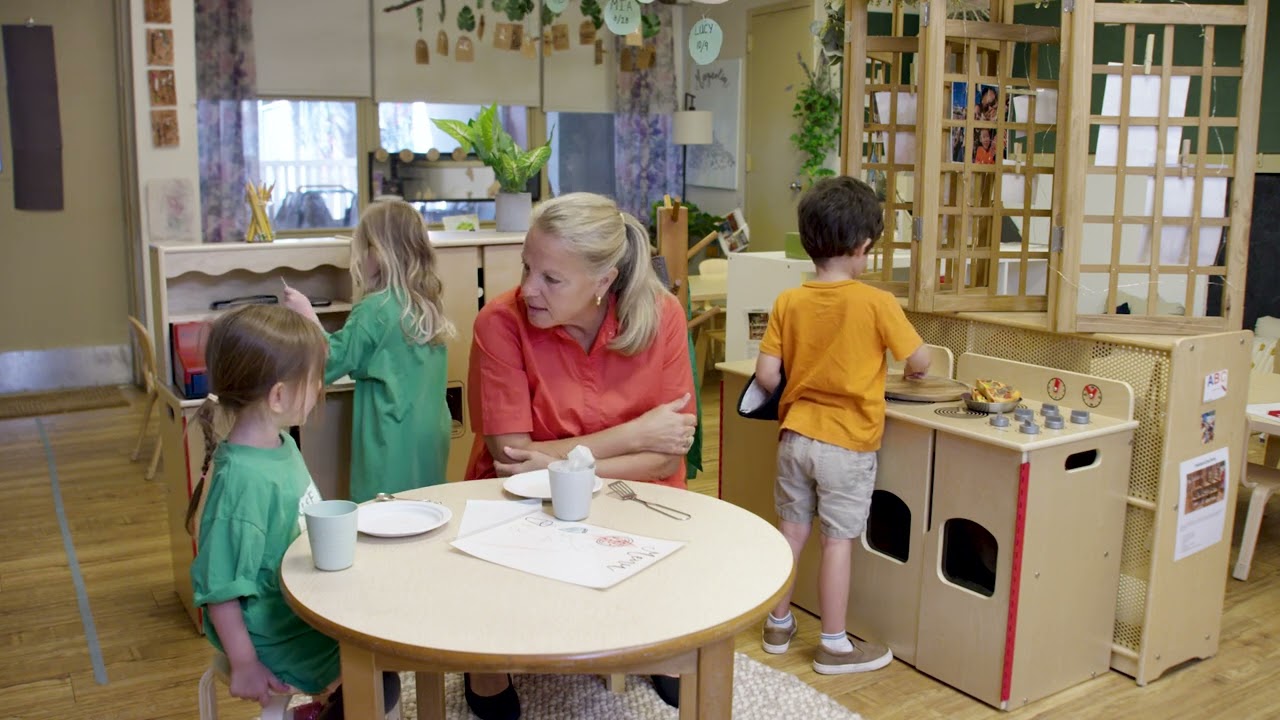
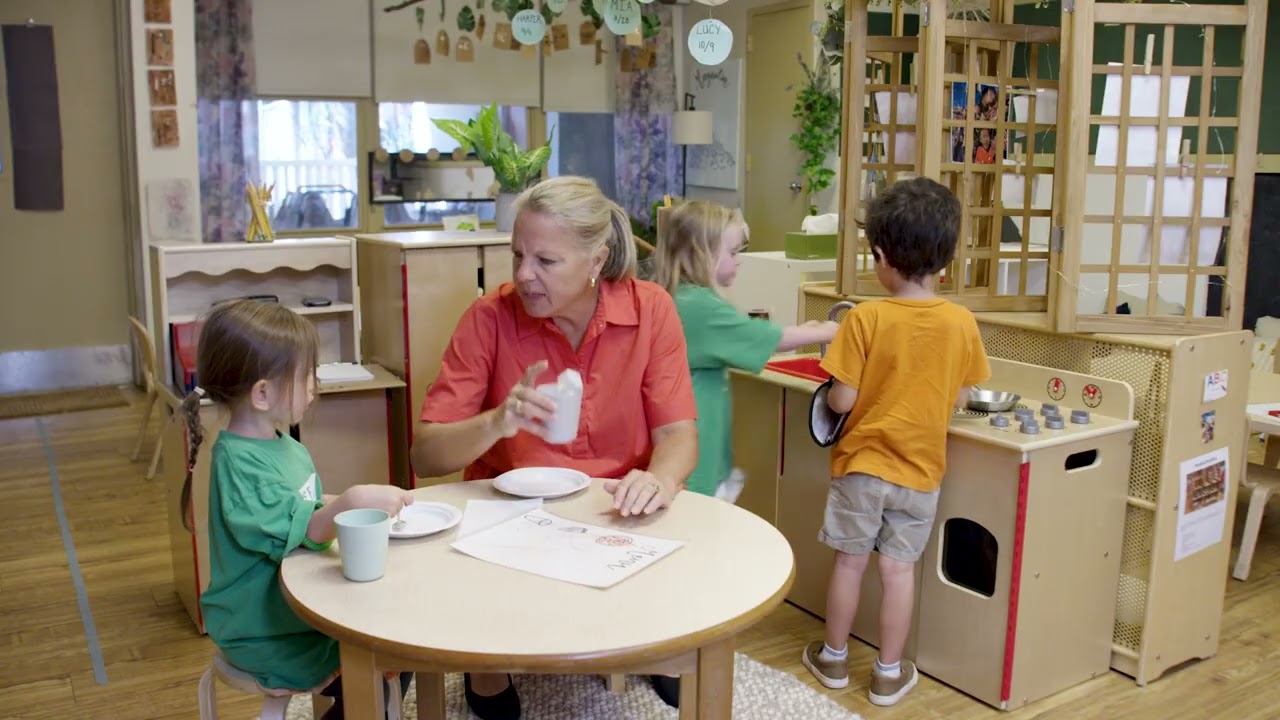
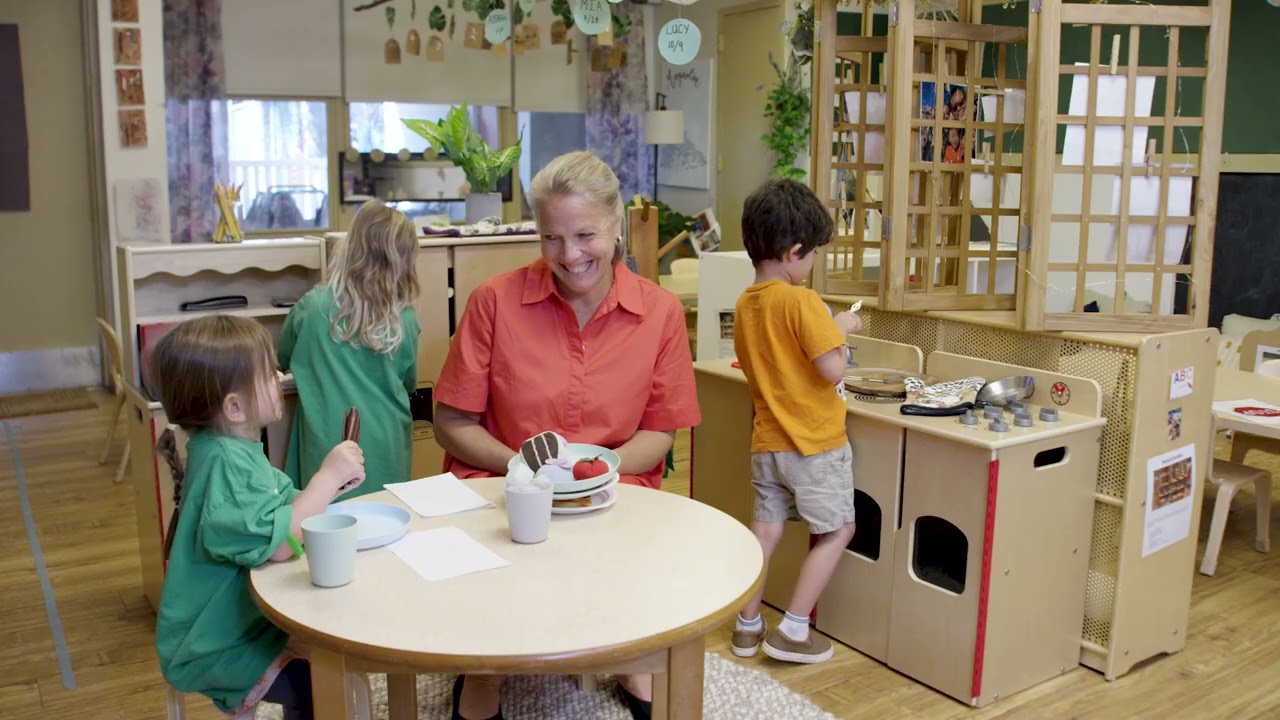
Co-Player
Joins the play by following the children’s lead from within the imaginary scenario (taking on an equal or subordinate role)
Strategies
Model role sequences.
Model role speech.
Model using new vocabulary.
Model using props; encourage players’ use of props.
Encourage interactions among players.
Infuse drama or new storylines, new role sequences, or variations.
Model problem-solving to sustain the play.
Model infusing writing in the context of the scenario.
Model that the spoken word can be written, and writing can be read.
Co-Player
Building on Children's Ideas
Co-Player
Letting Children Lead the Storyline
Co-Player
Following the Child's Lead Within the Play Frame
Co-Player
Building on Children's Ideas from Inside the Play
Co-Player
Supporting Pretend Play from Inside the Scenario
Co-Player
Following the Child's Lead as Grandma
During the Play
Play Leader
Guides and extends the play from within the imaginary scenario (taking on a predominant role)
Strategies
Model role sequences.
Model role speech.
Model using new vocabulary.
Model using props; encourage players’ use of props.
Encourage interactions among players.
Infuse drama or new storylines, new role sequences, or variations.
Model problem-solving to sustain the play.
Model infusing writing in the context of the scenario.
Model that the spoken word can be written, and writing can be read.
Play Leader
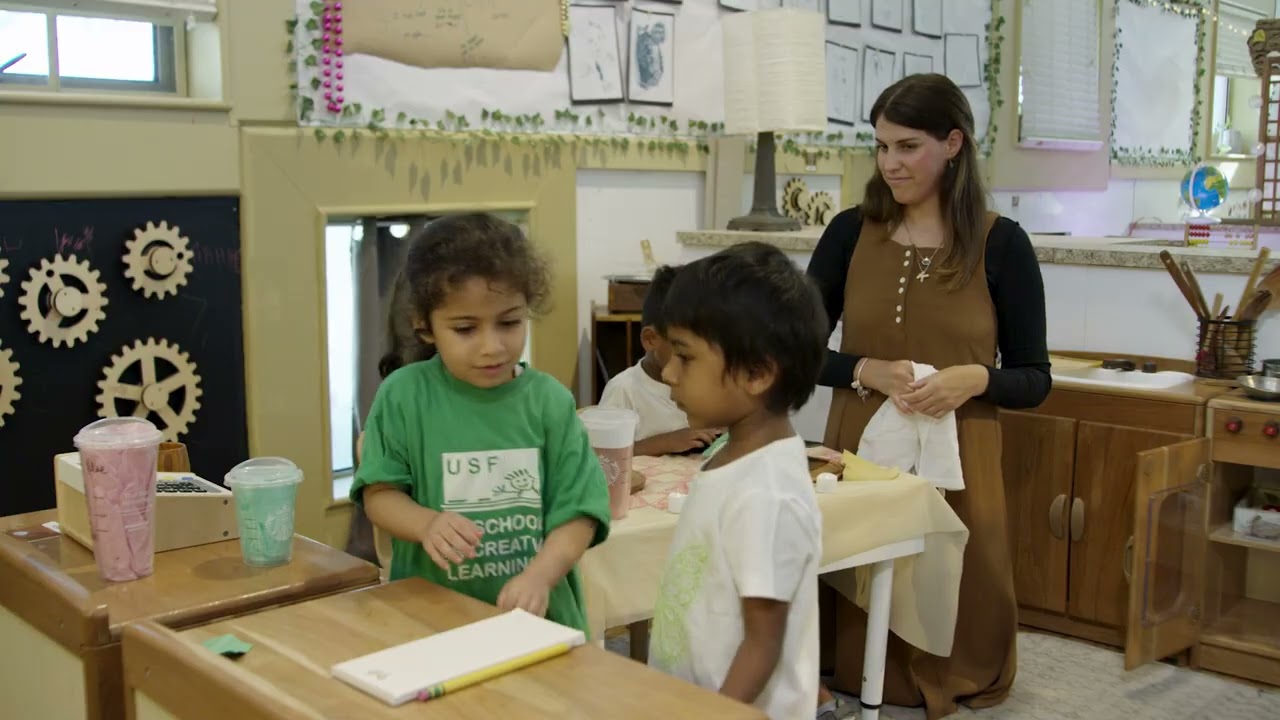
Modeling Role Sequences and Prop Use at the Register
Play Leader
Supporting Meaningful Literacy Practices
Play Leader
Modeling Role Sequences and Role Speech in Dramatic Play
Play Leader
Staying in Role to Solve a Problem in Home Play
During the Play
Play Director
Guides and extends the play from outside the imaginary scenario
Strategies
Make explicit suggestions to enrich the scenario and extend the play.
Demonstrate how to use props.
Explicitly teach children to use language in the service of their play (e.g., assign names to play props).
Directly provide information about the play (e.g., explain role sequences).
Explain how to extend the scenario or add a new role.
Suggest a solution strategy to a problem that arises and offer to assist if the child’s attempt to solve the problem doesn’t work.
Provide specific feedback by noticing and naming the knowledge and skills children apply in the context of the play scenario.
Facilitate children’s metacommunication when they step out of the play frame to renegotiate roles, clarify rules, or adjust the storyline.
Play Director
Stepping Outside the Play Frame to Talk About Roles
Play Director
Nudging the Play Forward from the Sidelines
Play Director
Thinking Through the Steps of Being a Customer
Play Director
Thinking Through the Process of Mailing a Letter
Play Director
Affirming a Child's Ideas Through Metacommunication
Play Director
Helping Children Solve a Problem in the Play
Play Director
Introducing Vocabulary in Context
Play Director
Stepping In, Then Stepping Back at the Post Office
After the Play
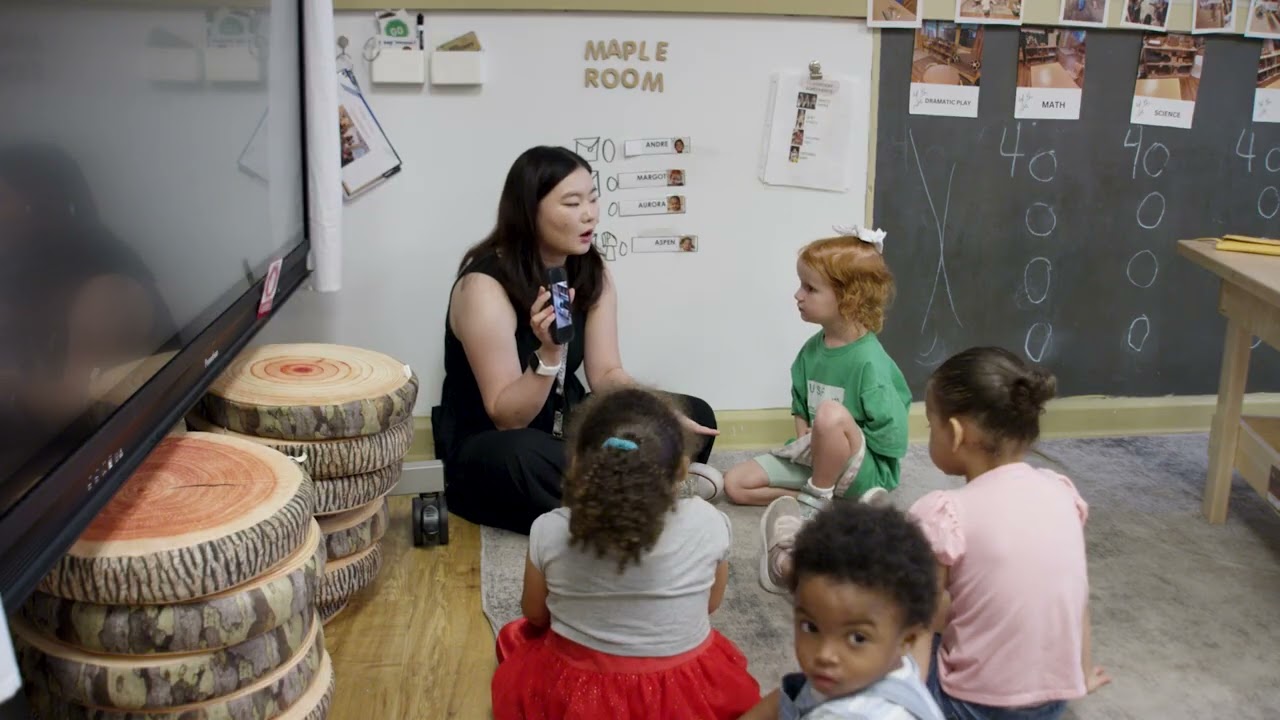
Catalyst for Reflection
Helps children reflect on, evaluate, and plan for future play
Strategies
Briefly recap the play.
Name particular knowledge and skills children demonstrated during the play.
Seek children’s views on the play (e.g., What went well? What problems did you encounter? What do we need to think about/plan for next time?).
Plan for future play; follow up on children’s suggestions in next play cycle.
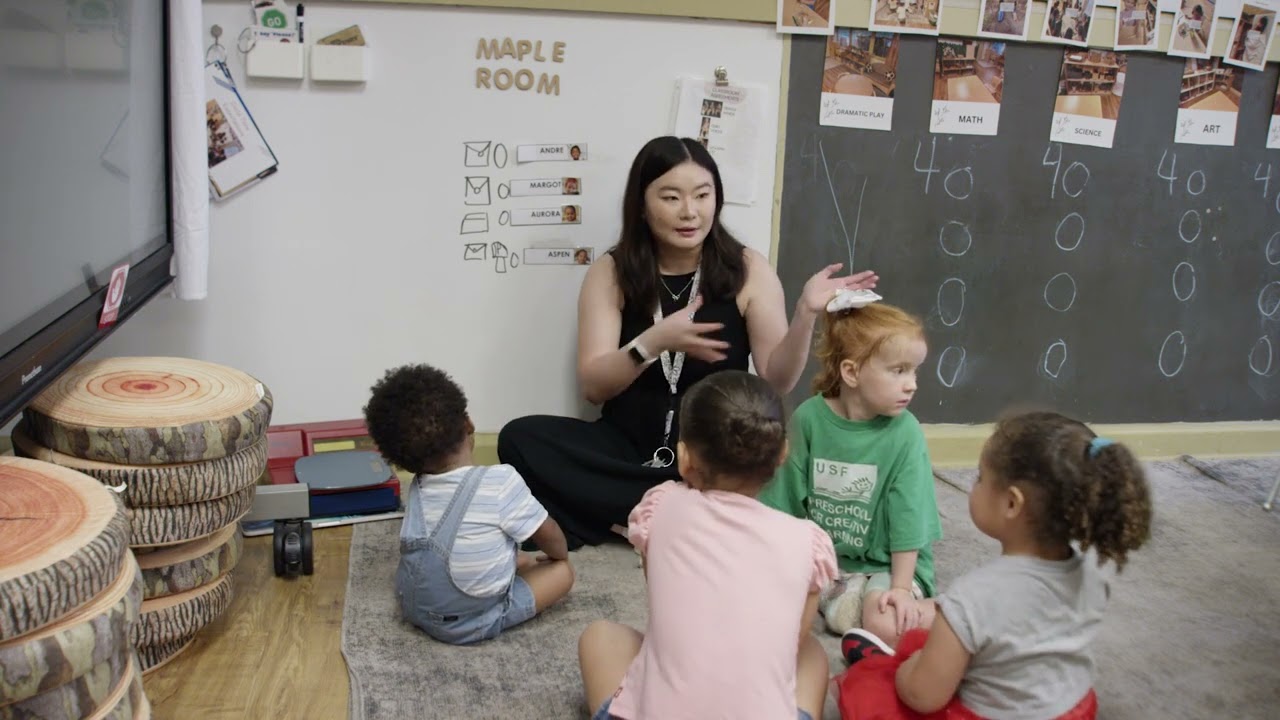
Catalyst for Reflection
Guiding a Post-Play Conversation
After the Play
Co-Narrator
Helps children revisit and represent their play experiences
Strategies
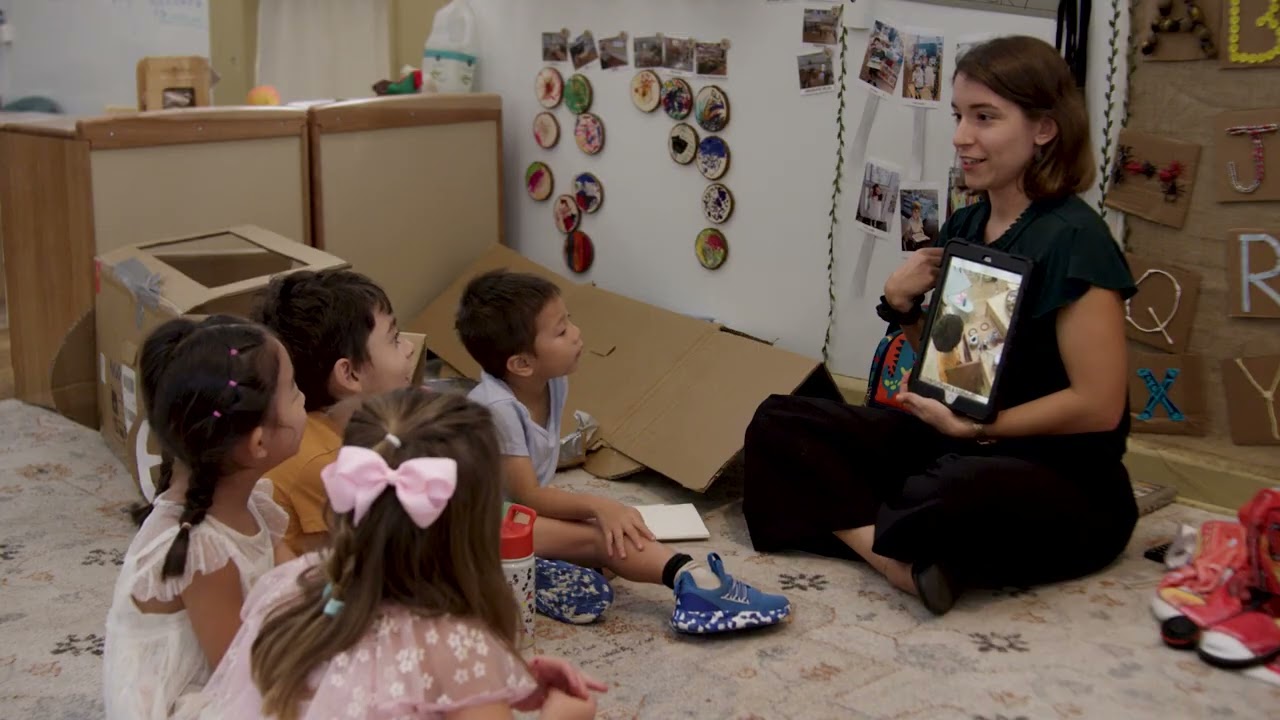
Reflect the story of the play scenario back to children using photographs and storytelling techniques. For example, show a series of photographs you took during the play while using verbal “story language” to tell the story of the play. After demonstrating this a few times, teachers may involve children in making and telling the story of the play.
Share selected photographs of the play with children to elicit their reflections.
Write a paragraph about the play on chart paper and read it back to the children as a language experience chart. Invite children to add illustrations to your words, or to retell the story of the play in their own way.
Select a particular aspect of the play and learning to highlight for children when sharing documentation.
If particular problems were encountered, utilize them as an authentic context for discussion and thinking through conflict resolution strategies together.
Elicit children’s ideas for next steps in future play, and offer your suggestions.
Co-Narrator
Retelling the Story of the Play
Co-Narrator
Using Photos to Reflect on Play Together
Co-Narrator
Using Photo Elicitation to Reflect on Play
Co-Narrator
Reflecting and Planning for the Next Round of Play